Our Global Safety Standards

  • Certified Organic Facility
  • FDA Compliant
  • GMP Certified
  • ISO Certified
  • India Organic
  • Dermatologically Tested

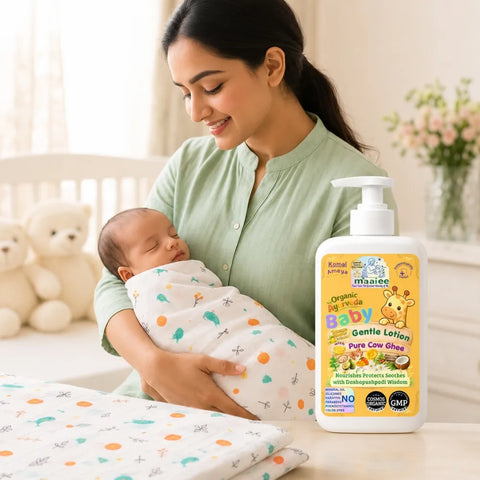
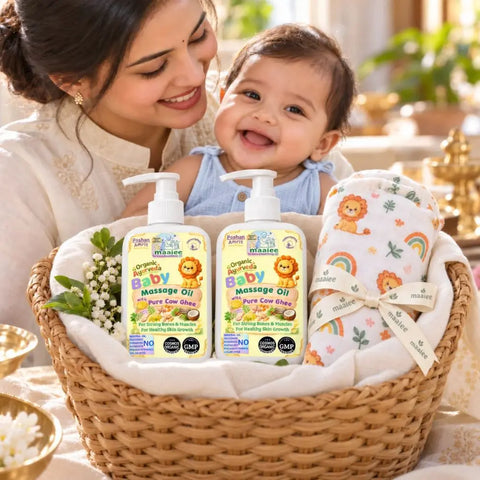
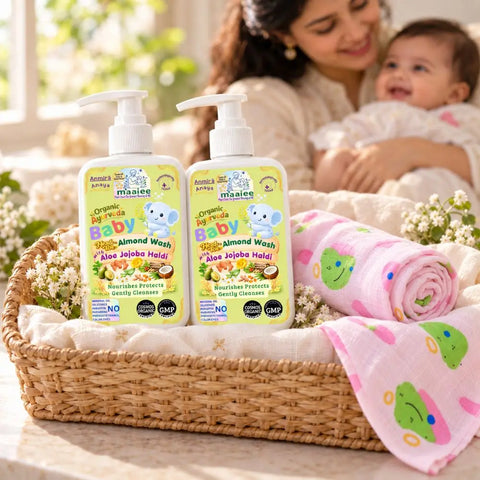
Maaiee products are manufactured in a COSMOS Organic and USOCA certified facility, one of the most demanding international standards for organic cosmetics. Manufacturing is GMP and ISO certified and FDA compliant. Every formulation is dermatologically tested and free from parabens, mineral oil, sulphates and synthetic fragrances.

Skip to results list

Active filters:

27 items
Column grid
Column grid

Filter

Active filters:

Muslin Nappies & Swaddles for Your Newborn in India

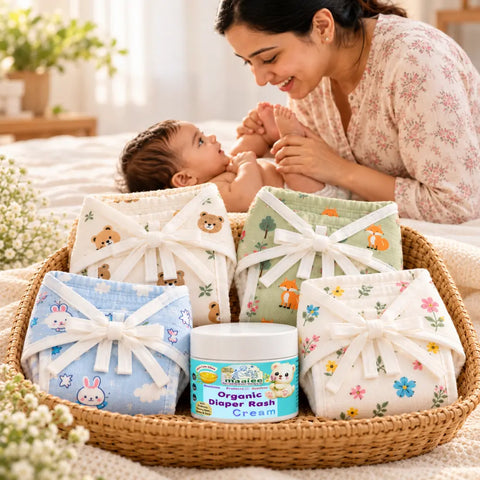
Muslin Nappies (Langots) — Why Indian Families Use Them for Newborns

For the newborn weeks, the muslin nappy — the soft cotton langot — is what most Indian families reach for, and there is a practical reason it has lasted generations.

A muslin nappy has no fixed waist size, so it fits a tiny 2.8 kg baby as easily as a bigger one, and it sits comfortably below the healing cord stump.

Its loose cotton weave lets air move through, which matters in Indian heat and the monsoon, where most newborn nappy rash is a heat-and-moisture problem rather than a wetness one.

A muslin nappy also dries quickly even in humid weather and gets softer with every wash, so it stays gentle on delicate skin.

The honest trade-off is that a muslin nappy holds less than a bulky modern diaper, so you change more often — which keeps the skin drier and fresher anyway.

Muslin Nappies vs Modern Reusable Diapers for a Newborn

Parents comparing a muslin nappy with a modern reusable diaper for a newborn usually want to know which one actually fits a tiny baby.

Sizing in the First Weeks
Most one-size reusable diapers start at around 3 to 5 kg, while an average Indian newborn is about 2.7 to 3.2 kg — so a modern diaper often gapes at the legs and sits over the cord stump early on.

Why Muslin Fits From the Very First Days
A soft muslin nappy has no fixed waist, so it fits from birth, sits below the cord stump and suits Indian humidity — which is why families use it in the first six to ten weeks before moving to sized reusables.

A Mix Often Works Best
Many parents use muslin nappies by day when they can change often, and a modern diaper at night or for travel — there is no prize for using only one.

For the newborn stage, a breathable muslin nappy is the simplest, best-fitting choice.

How Many Muslin Nappies and Swaddles You Actually Need

A newborn needs changing often, so it helps to know roughly how many muslin nappies and swaddles to keep on hand.

Muslin Nappies
Newborns need changing around 10 to 12 times a day, so most families keep about 24 to 30 muslin nappies, working back from a wash every two to three days.

Muslin Swaddles
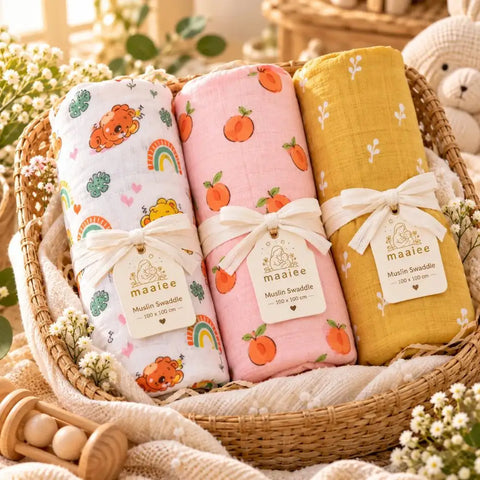
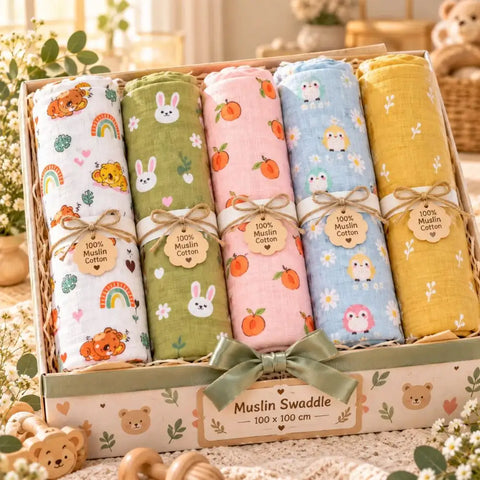
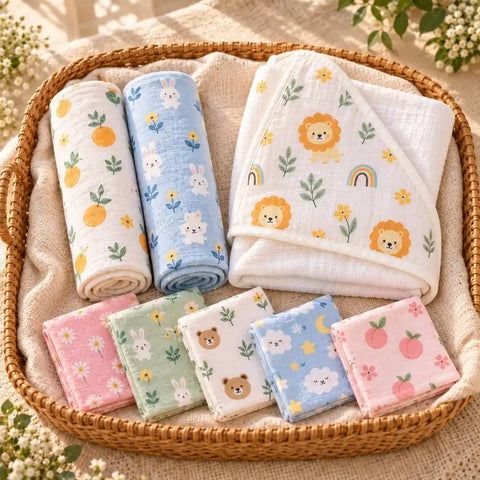
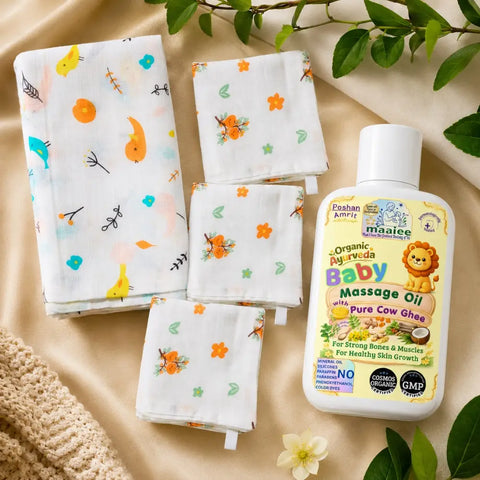
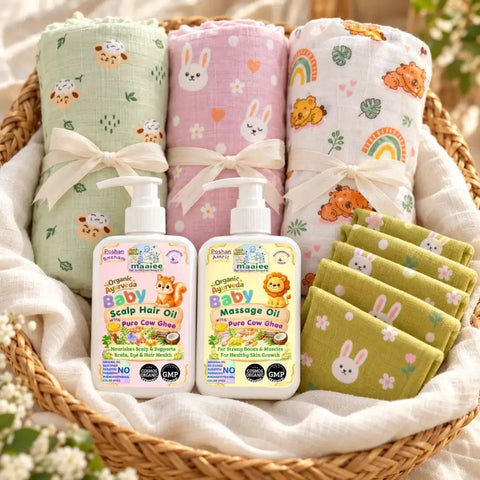
Four to six muslin swaddles is usually enough — one in use, one in the wash, and spares for burping, covering a pram and floor time.

Everyday Cloths
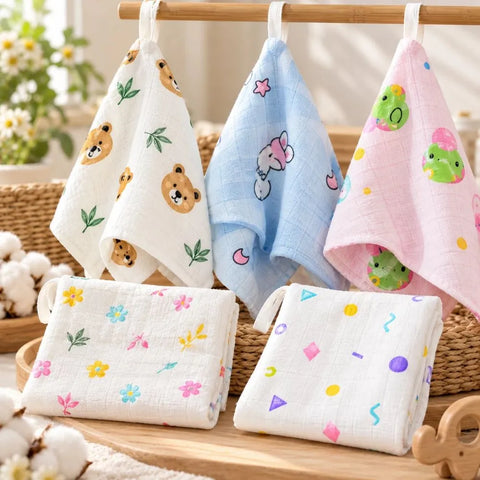
Add a few soft muslin wipe and wash cloths too, since most Indian parents use them heavily for clean-ups and burping.

Buying in two batches rather than one lets you see which suits your baby before you stock up fully.

What Makes a Good Muslin Swaddle

A good muslin swaddle is one of the most-used items in a newborn's kit — for wrapping, shading a pram, or as a nursing cover — so it is worth choosing well.

Size and Weave Over Prints
Look for a large swaddle, around 100 x 100 cm or bigger, in a soft cotton weave — a generous, breathable wrap wraps fully and still leaves the hips loose, which matters more than the pattern.

Breathable and Quick-Drying
A cotton muslin swaddle is breathable and quick-drying, which lowers the risk of overheating and makes it the safer choice for warm, humid Indian weather.

Soft From the First Use
Prewashed muslin is soft from the first wrap and only gets softer, so it stays gentle on a newborn's skin.

A large, breathable, skin-soft muslin swaddle is more useful and safer than a small, dense one.

How to Swaddle a Newborn Safely

Swaddling mimics the snug feeling of the womb and helps many newborns feel calm and sleep for longer stretches, as long as it is done safely.

Lay the muslin swaddle flat, fold down one corner, and wrap your baby snugly across the chest and arms, keeping the wrap firm but not tight.

Leave the hips and legs loose enough to move and bend freely, which is important for healthy hip development, and never wrap over the face or head.

Always lay a swaddled baby down to sleep on their back, on a firm, flat surface, in a clear space with no loose bedding.

Stop swaddling once your baby starts trying to roll over, and if you are ever unsure about wrapping or sleep safety, check with your paediatrician.

Washing Muslin Nappies and Swaddles

Washing muslin nappies and swaddles is simpler than many parents expect, especially in the newborn weeks.

While your baby is on breastmilk or formula only, the poo is water-soluble — just rinse the nappy in cold water, then wash normally, with no scraping or soaking needed.

Use a mild, baby-safe detergent and skip fabric softener, which coats the fibres and reduces absorbency and softness.

Dry muslin in sunlight where you can — sunlight is a natural freshener and stain-lifter, and muslin dries quickly enough to catch a break in the monsoon.

Once solids begin, the poo needs to be knocked into the toilet before washing — that is when the routine changes, not at birth.

Nappy & Swaddle Questions Parents Ask

Can I use a cloth nappy on a newborn from birth?

Yes — a cloth muslin nappy is safe from birth, cord stump and all. Newborn poo on a milk-only diet is water-soluble, so it rinses out without pre-treatment. Maaiee muslin nappies are 100% pure cotton and fit a tiny newborn from the very first days, sitting comfortably below the healing cord stump.

What is a muslin nappy or langot?

A muslin nappy, or langot, is a soft cotton cloth nappy tied or fastened around a baby — the reusable nappy Indian families have used for newborns for generations. Maaiee muslin nappies are pure cotton, breathable and quick-drying, with no fixed waist size, so they fit a newborn from birth and suit Indian humidity.

Is a muslin nappy or a modern reusable diaper better for a newborn?

For the newborn weeks a muslin nappy usually fits better, because most modern reusables only fit well from around 3 to 5 kg, while newborns are smaller. Maaiee muslin nappies fit from the very first days and breathe well in the heat; many parents move to sized reusables later and keep the muslin for the early weeks.

How many muslin nappies does a newborn need?

Newborns need changing around 10 to 12 times a day, so most families keep about 24 to 30 muslin nappies, working back from a wash every two to three days. Maaiee muslin nappies come in packs, so it is easy to build up to that number; buying in two batches lets you judge what suits your baby first.

When will a modern reusable diaper fit my baby?

Most one-size reusable diapers start fitting well from around 3 to 5 kg, which is usually after the first six to ten weeks. Until then a muslin nappy fits far better. Maaiee muslin nappies suit that early stage, sitting below the cord stump and breathing well through Indian heat and humidity.

How do I wash muslin nappies for a newborn?

While your baby is on breastmilk or formula, the poo is water-soluble — rinse the nappy in cold water, then wash normally with a mild, baby-safe detergent. Skip fabric softener, which reduces absorbency, and dry in sunlight where you can. Maaiee muslin nappies dry quickly and get softer with each wash.

Which muslin swaddle is best for a newborn in India?

The best muslin swaddle is large — around 100 x 100 cm or more — breathable, quick-drying and soft enough not to irritate delicate skin. Maaiee cotton muslin swaddles are generously sized, prewashed soft and breathable, which suits India's heat and humidity and helps lower the risk of overheating.

How many muslin swaddles do I need?

Around four to six swaddles is usually enough — one in use, one in the wash, and spares for burping, covering a pram and floor time. Maaiee muslin swaddles come in packs, and because they double as a nursing cover and light blanket, most parents find they use every one.

What size should a muslin swaddle be?

Choose a large swaddle of at least 100 x 100 cm in a soft cotton weave — a bigger, breathable wrap is safer and more versatile than a small, dense one, because it wraps fully while leaving the hips loose. Maaiee muslin swaddles are generously sized for exactly this.

Are muslin swaddles safe for Indian summers?

Yes — muslin's open cotton weave is breathable and quick-drying, which reduces the risk of overheating, making it a preferred swaddle fabric for warm, humid weather. Maaiee cotton muslin swaddles are light and airy, keeping a baby snug without trapping heat through an Indian summer.

Is it safe to swaddle a newborn?

Yes, when done safely — swaddling mimics a mother's snug hug and helps many newborns feel secure and sleep longer. Wrap firmly across the chest but leave the hips loose to move, never cover the face, and always lay your baby on their back to sleep. Use a soft, breathable Maaiee muslin swaddle, and stop once your baby starts to roll.

How do I wrap my baby in a swaddle?

Lay the muslin swaddle flat, fold down one corner, place your baby with shoulders just below the fold, then wrap each side snugly across the chest, keeping it firm but not tight and the hips free to move. With a large Maaiee cotton muslin swaddle there is plenty of fabric to wrap fully and tuck securely.

When should I stop swaddling my baby?

Stop swaddling once your baby starts trying to roll over, usually around two to four months, as they need their arms free to move safely. After that, a Maaiee muslin swaddle still earns its place as a light blanket, pram cover, nursing cover and floor cloth.

Where can I buy Maaiee muslin nappies and swaddles online?

You can buy Maaiee pure cotton muslin nappies and swaddles online, delivered across India, on the Maaiee website, Amazon, Flipkart and Tata 1mg. The muslin swaddle pack and muslin nappy pack cover the everyday newborn basics.

Choosing Muslin Clothing for Your Newborn in India

What Makes Muslin the Best Fabric for a Newborn

When you are choosing newborn clothing, the fabric matters more than the print, and muslin is one of the softest, safest choices for a baby.

Muslin is a lightweight, open-weave 100% cotton fabric — naturally soft, breathable and gentle on a newborn's sensitive skin.

Its loose weave lets air move through, so a baby stays cool and sweat-free, which matters through Indian summers and humid months.

And unlike many fabrics, muslin becomes softer with every wash rather than stiffer, so it only grows kinder on delicate skin over the first months.

This is why muslin fabric has stayed a favourite for newborn clothing, swaddles and nappies in Indian homes for generations.

Why Pure Cotton Muslin Over Other Fabrics

A newborn's skin is thinner, softer and far more sensitive than an adult's, so the cotton muslin or fabric touching it all day needs to be gentle and pure.

Harsh dyes, bleaches and harsh finishes can leave residues that irritate delicate skin during naps, feeds and cuddles, which is why natural fabric is the safer choice.

Pure cotton muslin is soft, breathable and hypoallergenic — less likely to trigger allergies or irritation than fabrics with rough finishes or synthetic blends.

It is also highly absorbent and breathable, helping regulate a baby's temperature so they stay cosy without overheating.

For sensitive or eczema-prone skin especially, soft, naturally pure cotton muslin is the kindest fabric to keep next to the skin.

Building a Newborn Wardrobe With Maaiee Muslin

A newborn wardrobe does not need to be long — a few soft, practical pieces of newborn clothing cover the first months of feeds, naps, changes and outings.

Everyday Layers — the Jabla
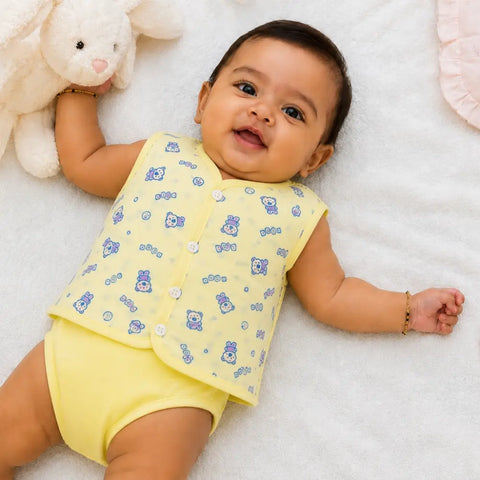
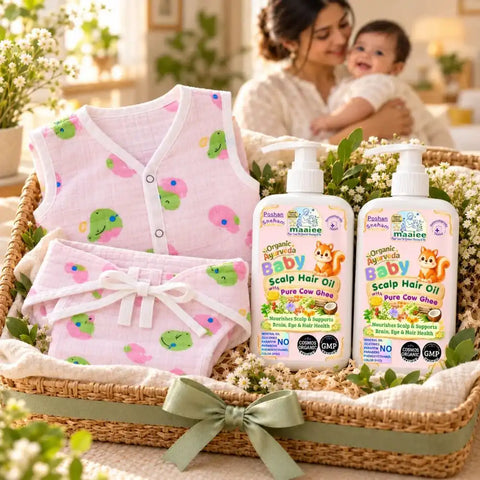
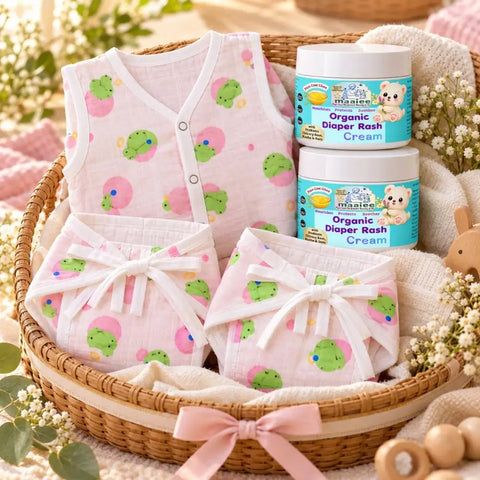
The soft muslin jabla is an easy first layer that stays comfortably in place and makes dressing and diaper changes simple, with gentle fastenings and a relaxed fit.

Warmth for Little Hands, Feet and Head
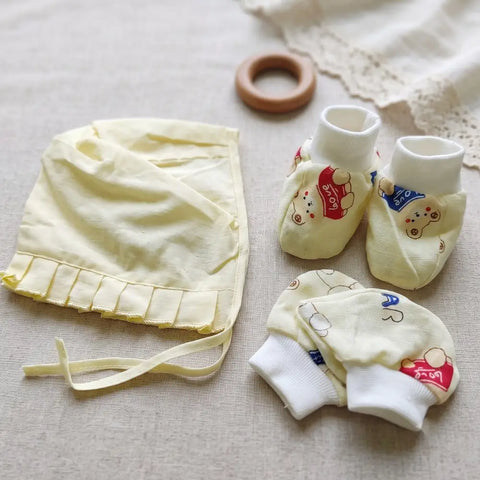
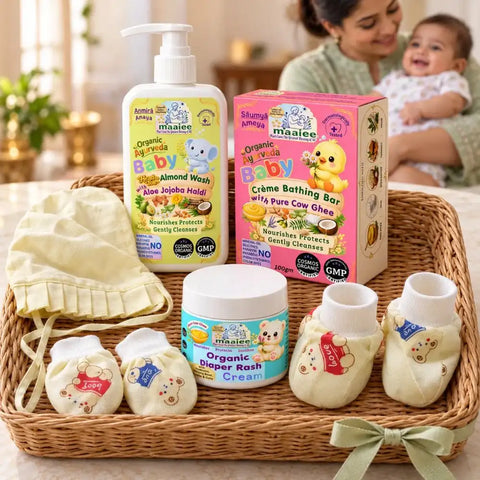
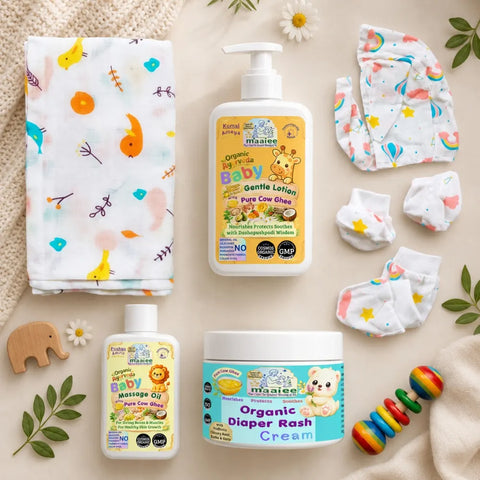
A cap, mittens and booties set keeps a newborn cosy, and the lightweight mulmul cotton dohar adds a gentle layer on cooler days without the weight of a heavy blanket.

After the Bath and Everyday Clean-Ups
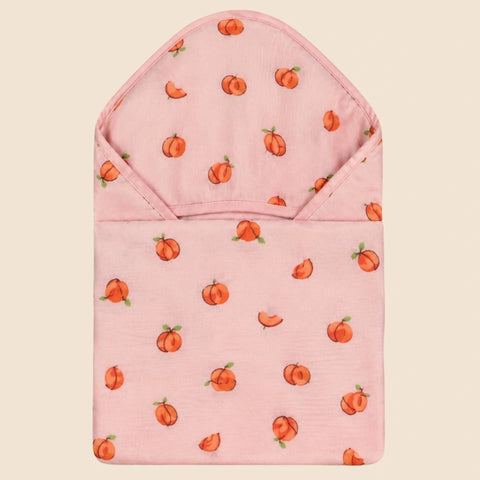
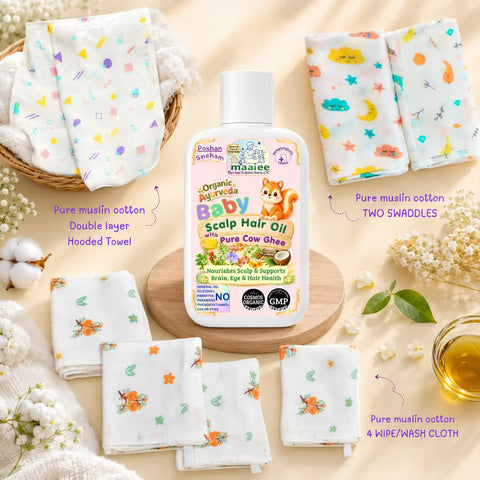
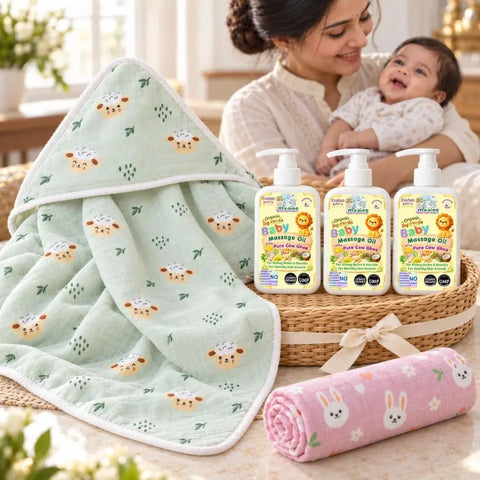
The muslin hooded towel wraps a baby warm and dry after a bath, and soft muslin wipe and wash cloths handle everyday spills.

Every piece of this newborn clothing is pure cotton muslin — breathable, hypoallergenic and prewashed soft — practical and gentle for a baby's first wardrobe.

How to Dress a Newborn Through the Seasons

Knowing how to dress a newborn comes down to one simple rule: dress your baby in one light layer more than you are comfortable wearing.

In Indian heat and humidity, keep it to soft, breathable cotton muslin — a single light layer that lets the skin breathe and keeps a baby sweat-free.

In winter, layer rather than reach for one thick garment: a soft cotton or muslin base layer against the skin, a warm middle layer, and a removable outer layer only if it is very cold or you are outdoors.

Cover the head, hands and feet with a cap, mittens and socks, since babies lose heat quickly, and keep a soft muslin cloth handy as an adjustable cover.

To check how to dress a newborn warmly enough, feel the chest or the back of the neck — it should be warm, not sweaty; cold hands and feet on their own are normal.

What to Avoid in Newborn Clothing

A few simple things are worth avoiding in newborn clothing, because a baby's skin is so easily irritated.

Rough or Synthetic Fabrics
Scratchy or synthetic material can irritate delicate skin — always choose soft, natural fabric like pure cotton muslin.

Tight Elastics and Fiddly Designs
Tight elastics leave marks and feel uncomfortable, and complicated fastenings make night changes a struggle; look for a relaxed fit and easy snaps.

Harsh Dyes and Rough Finishes
Clothes with harsh dyes or rough finishes can irritate skin or trigger allergies, so prefer gentle, natural finishes.

Soft fabric, easy fastenings and a breathable, relaxed fit matter far more for newborn clothing than frills or fancy prints.

How to Care for Muslin Baby Clothes

Muslin is easy to care for, and a gentle routine keeps it soft wash after wash.

Machine wash muslin in cold or lukewarm water on a gentle cycle with a mild, baby-safe detergent, and skip harsh bleach and fabric softeners — softeners coat the fibres and reduce softness and absorbency.

Tumble dry on low or air dry in the shade; a little sunlight also helps freshen and lift stains, and muslin dries quickly even in humid weather.

Once dry, fold each piece and store it in a dry, airy space rather than packed tightly, so the fabric holds its shape and stays fresh.

Wash muslin before its first use, and it will only get softer and more comfortable with each wash — one reason it suits a newborn so well.

Newborn Clothing Questions Parents Ask

What is muslin fabric and why is it good for babies?

Muslin is a lightweight, open-weave 100% cotton fabric that is naturally soft, breathable and gentle on a newborn's sensitive skin. It becomes softer with every wash, which makes it ideal for Indian climates where babies need cool, sweat-free clothing through the year. Maaiee newborn clothing is made from this pure cotton muslin.

Is Maaiee muslin safe for a newborn's skin?

Yes. Maaiee muslin is made from 100% natural cotton and stays gentle on sensitive skin from the newborn weeks. It is breathable and hypoallergenic, with no harsh finishes, so it is a soft, safe choice next to delicate skin for everyday wear and sleep.

Why is natural cotton clothing better for babies?

Natural cotton clothing is made without the harsh dyes and finishes of some conventional fabrics, so it is gentler on a baby's delicate skin and lowers the risk of allergies and irritation. It is also durable and stays soft through many washes. Maaiee newborn clothing is pure cotton muslin, breathable and hypoallergenic.

What is the best fabric for a baby with sensitive skin?

For sensitive skin, choose a fabric that is soft, breathable and free from harsh dyes and finishes — cotton muslin ticks all three. Maaiee muslin clothing is gentle on the skin, helps prevent overheating and lowers the risk of irritation, which makes it well suited to sensitive or eczema-prone babies.

What does hypoallergenic fabric mean?

Hypoallergenic fabric is less likely to contain allergens or irritants that can cause a reaction, so it is safer for babies with sensitive skin. Maaiee's pure cotton muslin is naturally soft and free from harsh finishes, which makes it gentle and low-risk for delicate newborn skin.

What should I avoid in newborn clothing?

Avoid rough or synthetic fabrics, tight elastics that leave marks, fiddly designs that make changes hard, and clothes with harsh dyes or rough finishes. Look instead for soft, natural fabric, easy fastenings and a relaxed fit. Maaiee's pure cotton muslin clothing is soft, breathable and simple to put on and take off.

How many times a day will I change my newborn's clothes?

Most parents change a newborn's clothes about three to four times a day, between little spills, nappy leaks and keeping baby fresh. Soft, easy-on Maaiee cotton muslin jablas make those frequent changes quick and gentle, which helps keep the routine calm.

How do I dress a newborn baby day to day?

Start with a soft cotton layer like a muslin jabla that is easy to put on and keeps the nappy snug, and add a light layer if the room is cool. Choose pieces that are simple to put on and take off so dressing stays quick and peaceful. Maaiee muslin clothing is made soft and easy for exactly this.

How should I dress my baby for winter in India?

Use light, warm layers rather than one thick garment: a soft cotton or muslin base layer, a warm middle layer, and a removable outer layer only if it is very cold. Add a cap, mittens and socks, and dress your baby in one more layer than an adult would wear. A Maaiee muslin cloth doubles as an adjustable cover indoors.

How do I tell if my baby is too hot or too cold?

Feel the chest or the back of the neck — it should feel warm, not sweaty. Cold hands and feet on their own are normal and not a reliable sign. Signs of overheating include sweating, flushed cheeks and damp hair; if you see these, remove a layer. Breathable Maaiee cotton muslin helps a baby stay comfortable either way.

How do I wash muslin baby clothes?

Machine wash Maaiee muslin in cold or lukewarm water on a gentle cycle with a mild, baby-safe detergent, and avoid harsh bleach and fabric softeners, which reduce softness and absorbency. Tumble dry on low or air dry in shade. Wash before first use, and the muslin only gets softer with each wash.

Does muslin really get softer with washing?

Yes — unlike many fabrics that stiffen, muslin's open cotton weave becomes softer and more comfortable with every wash. Maaiee muslin is prewashed so it feels soft from the first use, and it keeps getting kinder on delicate skin over a baby's first months.

When should I start buying newborn clothing?

The third trimester is a good time to gather newborn clothing, so nothing is rushed at the last moment. A few soft cotton muslin basics — jablas, a swaddle, a cap-mittens-booties set and a hooded towel — cover the early weeks. Maaiee gift sets and kits bring these together for easy planning.

Where can I buy Maaiee muslin newborn clothing online?

You can buy Maaiee pure cotton muslin newborn clothing online, delivered across India, on the Maaiee website, Amazon, Flipkart and Tata 1mg. The muslin newborn essentials kit brings the everyday basics together in one set.